britain-logo Contact Aquaflame Systems: 0044 (0)121 233 1088
aquaflame-logo

Dental

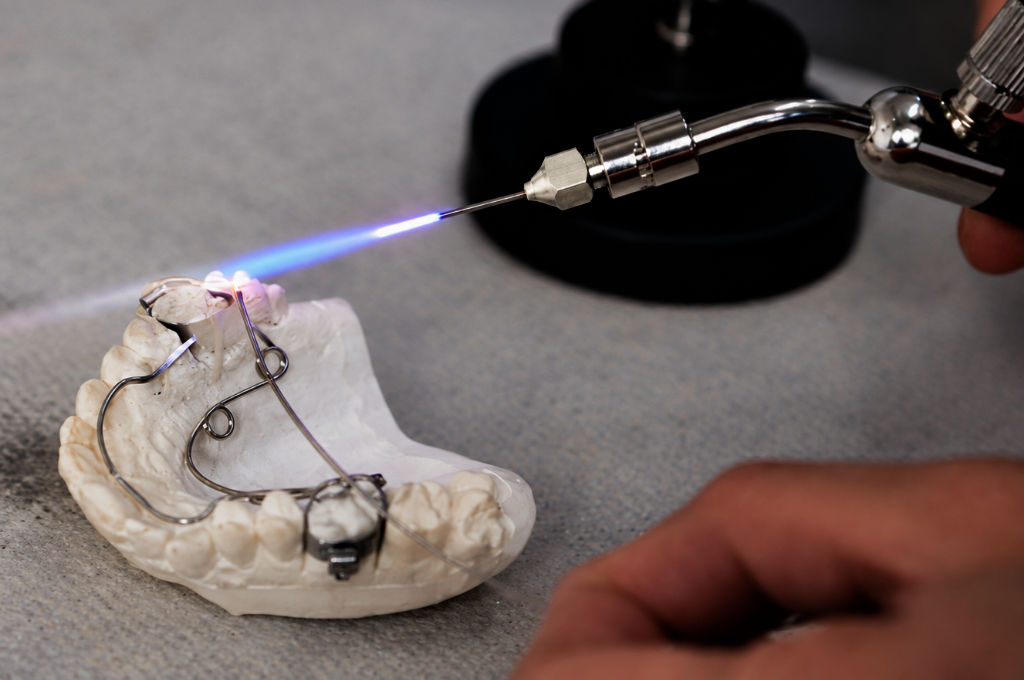
A hot, highly visible precision flame for soldering partial dentures and orthodontic wires, bands and springs.

Dental

AQUAFLAME IN DENTAL

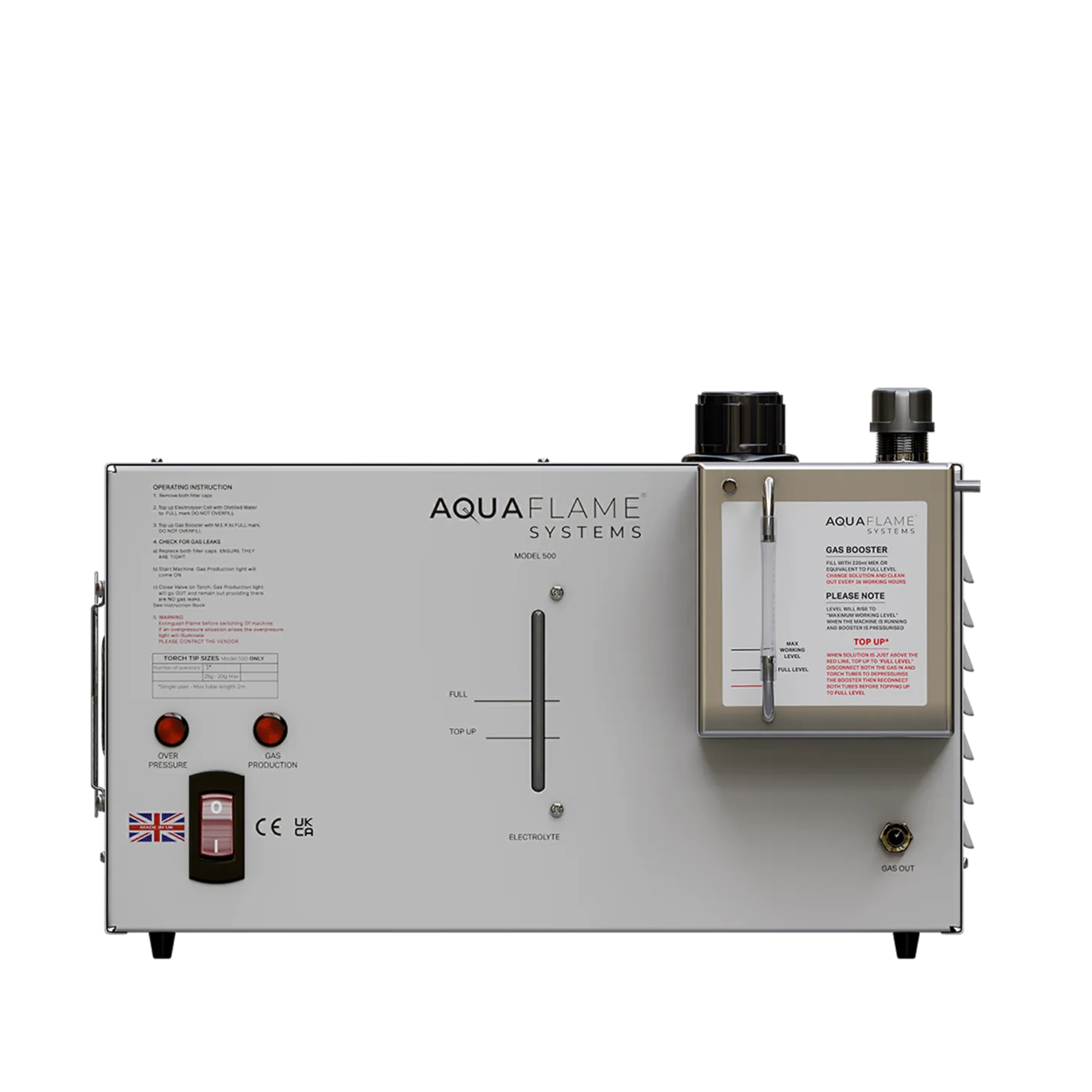
Aquaflame machines are often used in dental labs and by orthodontists in construction of dental appliances. Aquaflame is well suited for dental soldering because it provides a very hot precision flame.

The soldering process involves the substrate or the parent metals to be joined, soldering filler metal (usually called solder), a flux, and a heat source – in this case the Aquaflame machine. All are equally important and the role of each must be taken into consideration to solder metal components successfully.

KEY FACTORS FOR SUCCESSFUL SOLDERING

  • Flame Visibility: The use of MEK makes the flame highly visible so that it is easy to view the smallest of solder joints.
  • Flame Temperature: The use of different booster liquids can vary the flame temperature from 1200°C using Acetone in the booster. MEK is normally used because it gives the most stable flame and generates a temperature of about 1850°C.
  • Choosing a Flux: Composition of alloy determines the oxides that form on its surface during heating. The flux used should be able to reduce these oxides, inhibit further oxidation and facilitate its removal. Manufacturer of the alloy should provide guidance and instruction regarding the flux to be used with that alloy.
  • How Flux Works: Purpose of flux is to remove any oxide coating on the substrate metal surface when the filler metal is fluid and ready to flow into place. They protect the alloy surface from oxidation during soldering and dissolve metallic oxides as they are formed. The resulting solution of oxides or other extraneous matter in flux constitutes “slag”.
  • Solder Wetting: Composition of alloy determines the wettability of the substrate by the molten solder alloy. The solder chosen must wet the metal at as low a contact angle as possible to ensure wetting of the joint area.
  • Stainless Steel Wire: A low temp soldering is preferred rather than the high temp soldering for stainless steel wire to prevent carbide precipitation and to prevent an excessive softening of the wire. So silver solders are generally preferred.

THE SCIENCE BEHIND AQUAFLAME

Aquaflame machines are high performance oxyhydrogen gas-generating units producing a high temperature precision flame used for soldering and welding items.

Gas from Water: Using a standard electrical supply, hydrogen and oxygen are produced by the electrolysis of distilled water such that the hydrogen can be burnt in the oxygen.

MEK Booster: The oxyhydrogen gas is passed through an MEK (Methyl Ethyl Ketone) solution which reduces the temperature to about 1850°C (3350°F) and transforms the flame to a blue / yellow colour.

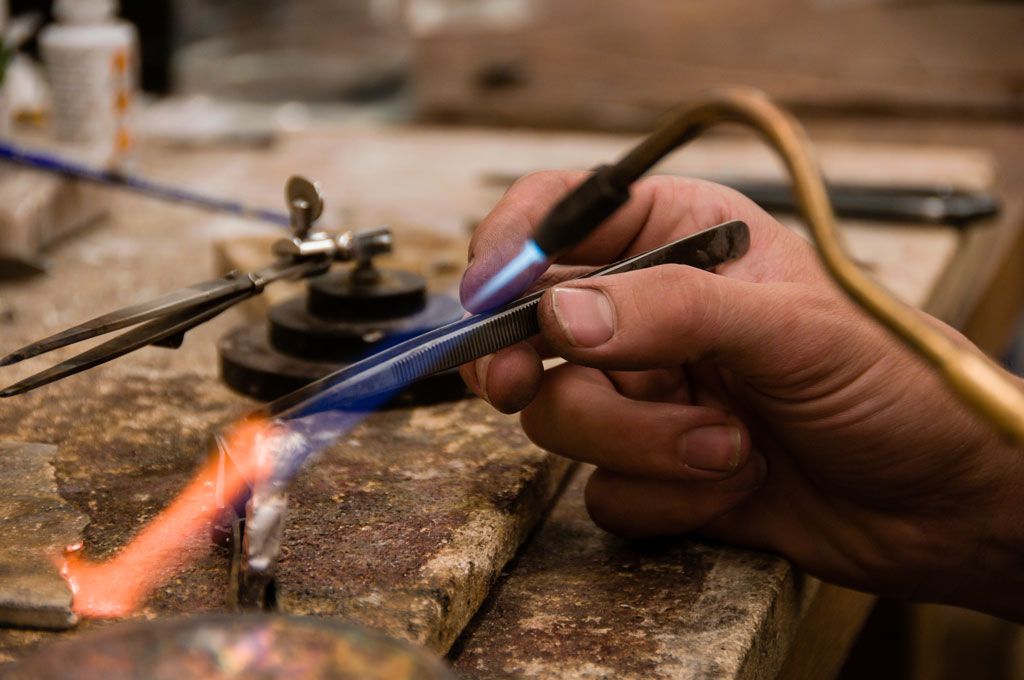
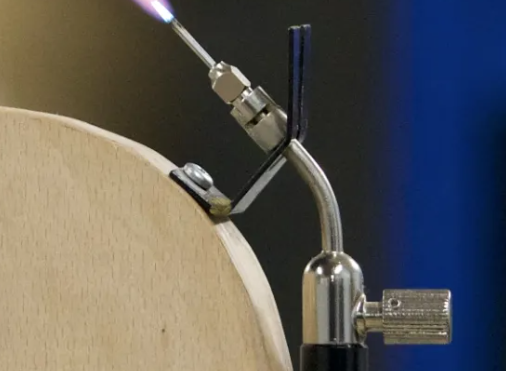
Flame Control: The flame is a highly controllable, by using the different tip sizes, efficient high energy heat source.

Clean Process: The only byproduct of this process, other than energy, is water.

BRANDS THAT TRUST AQUAFLAME

Client Client Client Client Client Client

Safe, Compact and Low Maintenance

Aquaflame produces an oxyhydrogen flame by electrolysis – the gas is produced on demand and at low pressure. The machine is small, low capital cost and low maintenance. The Aquaflame is safe as it only produces gas as required; it is also efficient, clean and environmentally friendly.

APPLICATIONS WITHIN THE DENTAL INDUSTRY

Partial Dentures

Large partial dentures are frequently cast in parts that are soldered together after carefully fitting them to master cast.

Application image Application image

Orthodontics

In orthodontics soldering is used for joining wires, bands, springs etc.

MACHINES USED IN THE DENTAL INDUSTRY

SPEAK TO AN EXPERT